|
|||||||||||||||||||||||||||||||||||||||||||||||||||||||||||||||||||||||||||||||||||||||||||||||||||||
Medi-Stim, Inc.
|
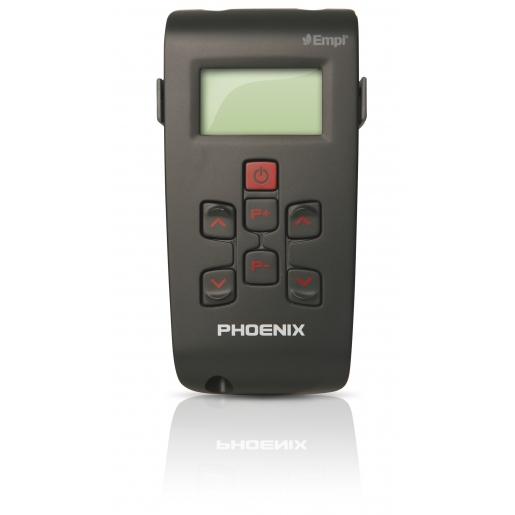
Caution: All of our stimulators are Class II medical devices. Federal law restricts these devices to sale by or on the order of a physician, unless otherwise indicated as "OTC" or Non-Prescription. Click on device thumbnail for more detailed specifications. |
||||||||||||||||||||||||||||||||||||||||||||||||||||||||||||||||||||||||||||||||||||||||||||||||||||
|
© 2016 Medi-Stim, Inc. (800) 363 - 7846 |  Download Adobe PDF Reader
TENS NMES MENS IF HVPG Electrodes Leadwires Batteries Skin Care Hot & Cold LSO Traction Accessories Contact |
|||||||||||||||||||||||||||||||||||||||||||||||||||||||||||||||||||||||||||||||||||||||||||||||||||||